
What’s worth knowing in the Squarespace world.
For designers, developers, and people building businesses around Squarespace.
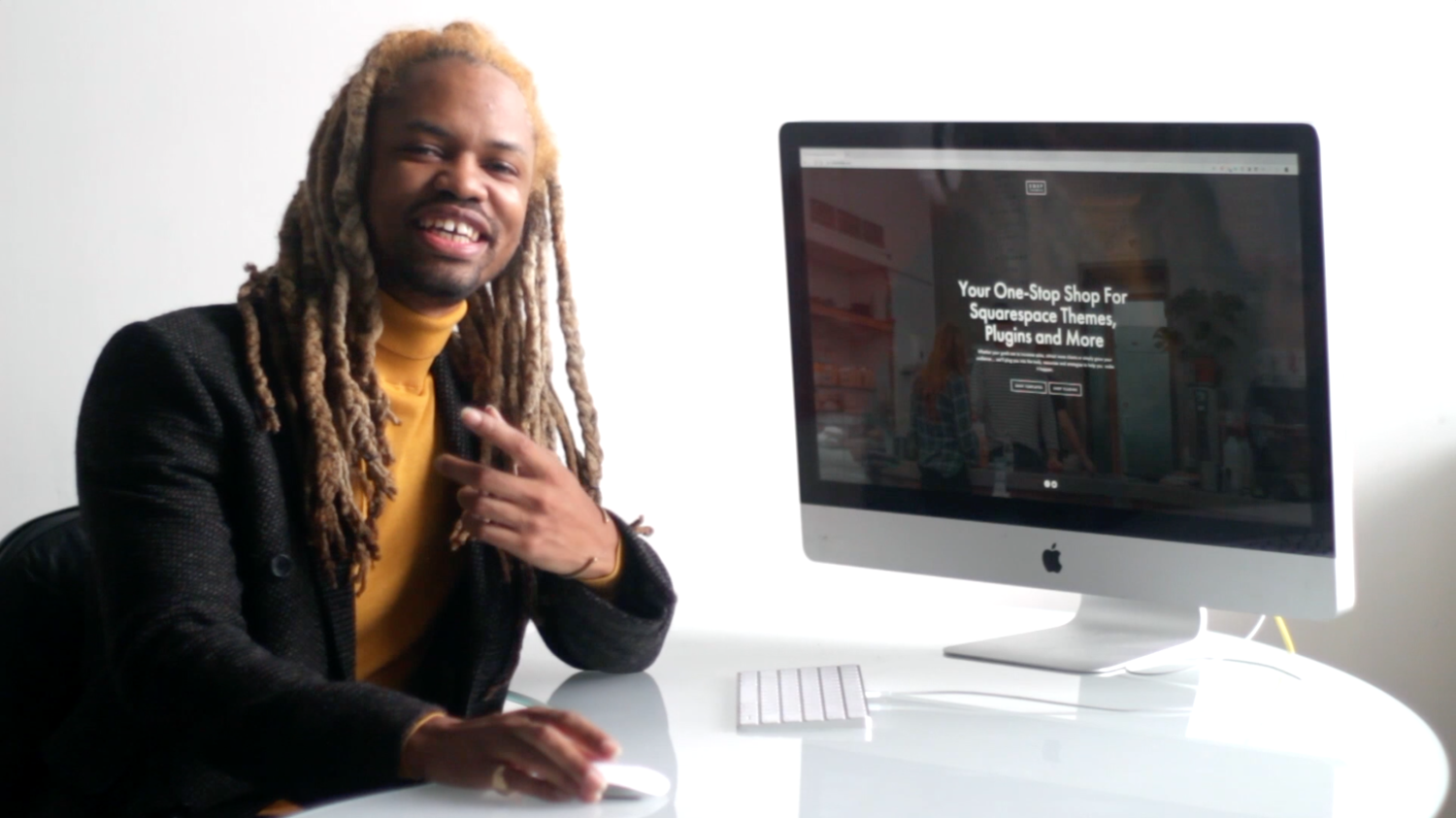
10 Years of SQSP Themes
Ten years ago, I wasn’t trying to build a company. I was trying to make a living—living.
I wanted proof that it was possible to create something once and have it pay me back over time.
Something that didn’t tie me to a client’s schedule or an employer’s expectations. Something that let me be home. Be present. Be free.
That was the seed behind SQSPThemes.
But the real pressure came from something else: my daughter has special needs, and my wife and I knew we wanted to homeschool our kids. We needed flexibility. We needed presence. We needed a business model that didn't require me to be "on" 60 hours a week.
The freelance hustle wasn't just unsustainable—it was incompatible with the life we wanted to build.
So I had this crazy idea: what if I could create something that worked while I slept? What if I could build once and sell forever? What if there was a way to serve people without being chained to my laptop?
The emotional urgency behind SQSP Themes wasn't about getting rich. It was about getting free.
How It Actually Grew
I started simple. Squarespace was exploding, but their plugin ecosystem was practically non-existent. Customers were Googling things specific problems and finding nothing.
So we built the things they were already looking for.
The growth was beautifully boring:
SEO: I wrote about problems people actually had
Affiliates: I built relationships with other brands
Product-led growth: Happy customers told other designers
No paid ads. No fancy launches. No growth hacking. Just solving real problems for people who were actively searching for solutions.
What made it work was a very simple model:
One-time purchase, lifetime value
Digital delivery, no shipping or inventory
Lean operations, no team to manage
Repeat customers who trusted the brand
By year three, I was making more from plugins than freelancing. By year five, I could ignore my phone for a week and the business kept running. By year seven, I was working a few hours a month.
It wasn't sexy (well, ok maybe it is). But it was exactly what I needed.
What I'd Do Differently
If I could go back and rebuild SQSP Themes from scratch, knowing what I know now, I'd make three changes:
I'd implement a subscription model from day one. Customers are already paying $200-300 for our business bundles. They're telling us they want comprehensive access to everything. A $19-39/month subscription would have been a no-brainer for most of our customer base. Instead of $1.2M in lifetime revenue, we probably could have hit $1.2M annually.
I'd have turned back on the service lever. The agency inquiries never stopped coming. "Can you build this custom?" "Can you handle our client implementation?" "Can you white-label this for our team?" I said no to almost everything because I was obsessed with the product-only model. But there was easily another $500K+ annually in high-margin service revenue I left on the table. Custom implementations, done-for-you setups, agency partnerships—the demand was there, I just wasn't paying attention.
I'd believe in the upside sooner. For years, I treated this like a lifestyle business that happened to be profitable. I was so focused on keeping it simple that I missed opportunities to scale. There's nothing wrong with lifestyle businesses—but I left a lot of growth on the table by thinking too small.
What It Gave Me
I started this business in search of proof.
Material proof that what we do spiritually and emotionally ripples out into the digital and physical world.
It gave me proof that alignment between who you're becoming and what you're building creates something sustainable. That you don't have to choose between inner growth and outer success.
It gave me the time to be present when my daughter needed extra support. The flexibility to homeschool my kids without financial stress. The mental space to think about what I actually wanted instead of just what paid the bills.
Most importantly, it gave me the confidence to step away. When you build something that can run without you, you prove to yourself that you're not just trading time for money—you're creating real value.
That's freedom.
The Next Chapter
Now I'm in a new season.
My kids are getting older and need different things from me. My wife and I are launching new projects that require more focus. After a decade of building in public and growing organically, I'm being called to step back and be more intentional about where I spend my energy.
SQSP Themes has been an incredible foundation for this next chapter. It's taught me that you can build something meaningful without sacrificing what matters most. The business runs itself, the customers are happy, and there's still so much room to grow in ways I never pursued.
I'm excited to see what this next decade brings—both for me personally and for the businesses that are just getting started in this space.
To everyone who bought a plugin, shared a resource, joined the Facebook group, or just followed along on this journey—thank you. You didn't just support a business, you supported a dream of what work could look like.
To the designers and agencies who trusted our tools with their client projects—thank you for letting us be part of something bigger.
To the affiliate partners who believed in what we were building—thank you for growing this thing beyond what one person could do alone.
And to anyone reading this who's trying to prove something of their own: it's possible. Start simple. Stay consistent. Build something that matters.
Ten years from now, you might be writing your own reflection post.
Want to connect or share your own journey? Hit reply or reach out. I love hearing from fellow builders who are designing businesses around the lives they actually want to live.

Best Free Live Chat for Squarespace in 2025 (and How to Set It Up Fast)
Squarespace is beautiful—but it doesn’t come with built-in live chat.
If you want to talk to visitors in real-time, answer questions before they bounce, or just look more professional, you’ll need to add a third-party chat plugin.
Good news? You’ve got options. Great ones.
Even better? Some are 100% free.
In this guide, we’ll show you:
✅ The best live chat plugins for Squarespace in 2025 (free + paid)
🛠️ How to install them in minutes—no coding required
⚠️ Why Facebook Messenger plugin is no longer recommended
Let’s dive in.
🧠 Why Add Live Chat to Your Squarespace Site?
Live chat helps you:
Engage visitors instantly – Answer questions before they leave
Convert better – Remove friction from the buying process
Support smarter – No more endless email threads
Look legit – Live chat adds a level of professionalism
But Squarespace doesn’t include live chat by default—so you’ll need a plugin.
🚀 Top Live Chat Plugins for Squarespace in 2025
| Plugin | Best For | Free Plan | Notable Features | Link |
|---|---|---|---|---|
| Tidio | AI chatbots + growth | ✅ | 50 chats/mo, AI bot, multichannel | Visit Tidio |
| tawk.to | Fully free chat | ✅ | Unlimited chats/agents, $0 forever | Visit tawk.to |
| LiveChat | Pro teams | ❌ | Robust dashboard, CRM integration | Visit LiveChat |
| Crisp | Sleek & affordable AI | ✅ | Multi-channel, AI fallback | Visit Crisp |
| HubSpot Free Chat | CRM integration | ✅ | Lead capture, forms, chatbot | Visit HubSpot |
| Elfsight | Messenger + WhatsApp | ✅ | Multi-chat widget, 200 views/mo | Visit Elfsight |
| POWR | Basic + forms | ✅ | Offline mode, no login required | Visit POWR |
🥇 Top Picks Based on Your Goals
Best free forever:
tawk.toBest starter with chatbot:
TidioBest CRM combo:
HubSpot Free ChatMost flexible:
LiveChatBest UI + automation:
Crisp
❌ Why We No Longer Recommend Facebook Messenger Plugin
As of 2024, Meta is discontinuing the Messenger website plugin.
If you’re still using it, switch now.
You can still link to Messenger via Elfsight or similar tools—but the official embed is no longer supported.
🛠️ How to Add Live Chat to Squarespace (Quick Setup)
Create a free account on your chosen platform
Copy the script snippet
In Squarespace, go to:
Settings > Advanced > Code Injection
Paste it in the Header or FooterSave and refresh your site
Test it on desktop and mobile
That’s it! No plugins. No coding. Just paste and go.
⚡ Pro Tips
Don’t overload your site with multiple chat tools — it slows things down.
Check mobile performance — some widgets look great on desktop but break on phones.
Set hours or auto-responses so visitors know when to expect a reply.
🔁 Common Questions
Q: Will live chat slow down my site?
A: Most chat tools load asynchronously and won’t significantly impact speed.
Q: Can I use this on all Squarespace versions?
A: Yes. Chat tools work on 7.0 and 7.1—just use Code Injection or a Code Block.
Q: What if I’m not online?
A: Most tools offer offline forms that capture visitor messages while you're away.
✅ Final Word
Live chat is one of the highest-leverage features you can add to a Squarespace site.
You’ll capture more leads, close more sales, and offer better support—without paying a cent if you choose the right tool.
If you’re just getting started, try Tidio or tawk.to. You can always scale up later.
Have questions or need help installing? Drop them below or reach out—we’re here to help.
Looking for more Squarespace plugins?







How to Attract Your Ideal Client as a Squarespace Designer
Are you a Squarespace designer that wants to attract more of your “ideal clients?” Here are some strategies that can help:
No more wrong-fit projects draining your energy.
Ever wrapped up a project and thought, “Never again?”
Maybe the client nitpicked every pixel. Maybe the scope kept expanding. Or maybe you just weren’t excited to do the work in the first place.
We’ve all been there. And the truth is, most freelancers find their ideal clients by first working with the wrong ones. But the faster you figure out who you want to work with—and how to attract them—the faster your business becomes something you actually enjoy running.
This post breaks down a few simple ways to make that happen.
Free download: Define your ideal client
1. Hone your messaging
What you say (and how you say it) determines who knocks on your digital door.
Early on, it’s tempting to say yes to everyone—especially when rent’s due. But over time, that “open to all” messaging attracts the exact projects you don’t want. Generic offers lead to generic inquiries.
Instead, speak directly to the people you want to work with. “I build Squarespace sites” is fine. But “I help wellness coaches turn their Squarespace sites into client-converting machines” is magnetic. Yes, it narrows the pool—but it deepens the connection.
Want better clients? Say something worth hearing.

2. Show the work you want more of
Your portfolio isn’t a scrapbook—it’s a filter.
Don’t show everything you’ve ever made. Show the kind of work you want to attract. Curate 6–10 examples that reflect your dream projects—even if some are mockups you made for yourself.
No one's scrolling through your full portfolio anyway. They're skimming to see if you get them. If you're looking for inspiration, check out this list of the best Squarespace designers to see how top professionals showcase their work effectively.

3. Price for the clients you want
Low prices attract high-maintenance clients. Always.
It’s tempting to undercharge early on, but that often leads to burnout. Instead, price your services based on the value you provide—not just the time it takes.
Offering clear packages (with clear scope limits) can help filter out wrong-fit clients too. For example:
Template setup + 2 rounds of edits = $X
Full custom design with copy guidance = $Y
Let people self-select. Your dream clients will respect your clarity.
4. Be where your clients are
Clients won’t just stumble onto your site—you’ve gotta go where they hang out.
Join Facebook or Slack groups they’re part of
DM or email businesses you genuinely want to help
Hand out cards or QR codes at relevant events
Try small ad experiments targeting your niche
Follow and engage with their content
Outreach doesn’t have to be spammy—it can be generous and intentional.
5. Make your brand match your client
Want to work with artists, coaches, or stylish entrepreneurs? Don’t make your site look like a bank’s intranet.
Your brand should speak the same visual and emotional language as your ideal clients. That goes for your site, social profiles, proposals, and even your email signature.
Ask yourself: Would my dream client feel seen here?
Final thoughts
You don’t need a huge audience or dozens of leads. You need the right ones.
By refining your messaging, your offers, and where you show up—you can quietly build a business full of clients who get you, trust you, and value your work.
✅ Squarespace 7.0 and 7.1 compatible • ✅ All templates supported • ✅ Mobile responsive
⚠️ Requires Squarespace Business Plan or higher for full functionality.
💡 Personal Plan users can use the alternative markdown method. See FAQ below.
Add a Lightbox Popup to Squarespace
Lightbox Anything lets you open custom content in a popup from buttons, images, text links, galleries, and more.
Use it for forms, videos, team bios, product details, portfolios, promos, gated content, upsells, galleries, and custom page sections — without sending visitors to another page.
Click to View Demo →
Want to see the setup process first?
▶️ Click to Watch Setup Video